




What to Look for When Hiring a Soft Goods Photographer (And Why It’s Not the Same as Hiring Any Product Photographer)
You’ve got a beautiful product. Maybe it’s a linen shirt that drapes like a dream, a set of bedding so buttery it practically sells itself, a handcrafted pet bandana with embroidery so detailed it stops the scroll — or a wallet so thoughtfully designed it deserves its own editorial spread.
Whatever it is, it’s soft. It has texture, movement, and weight. And here’s the thing about soft goods: they are genuinely one of the hardest categories to photograph well.
Not because they’re complicated. Because they’re alive.
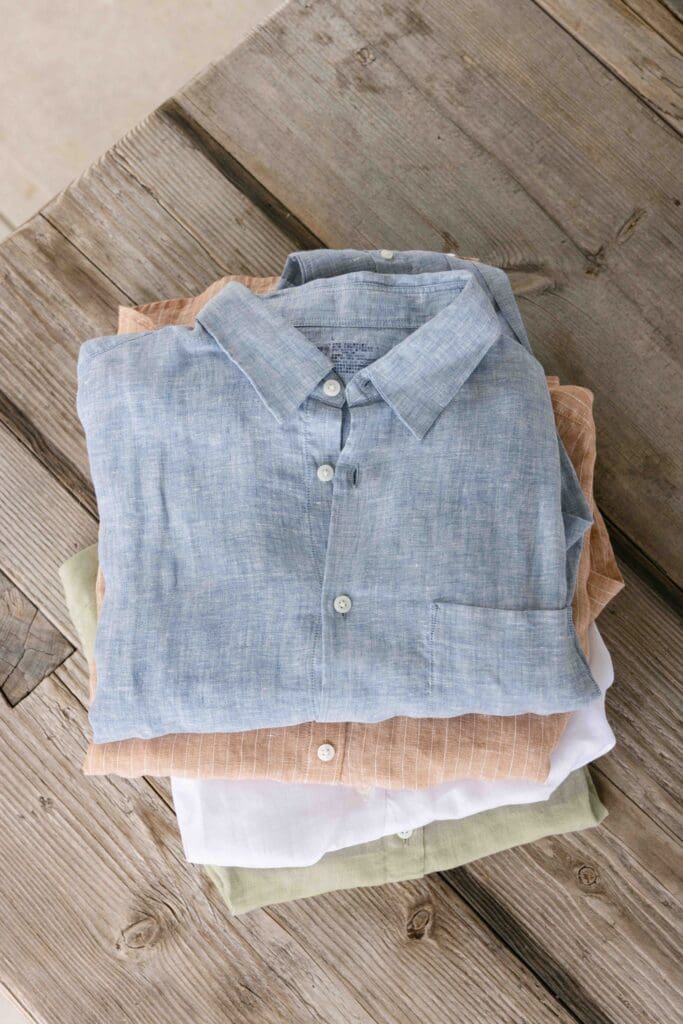
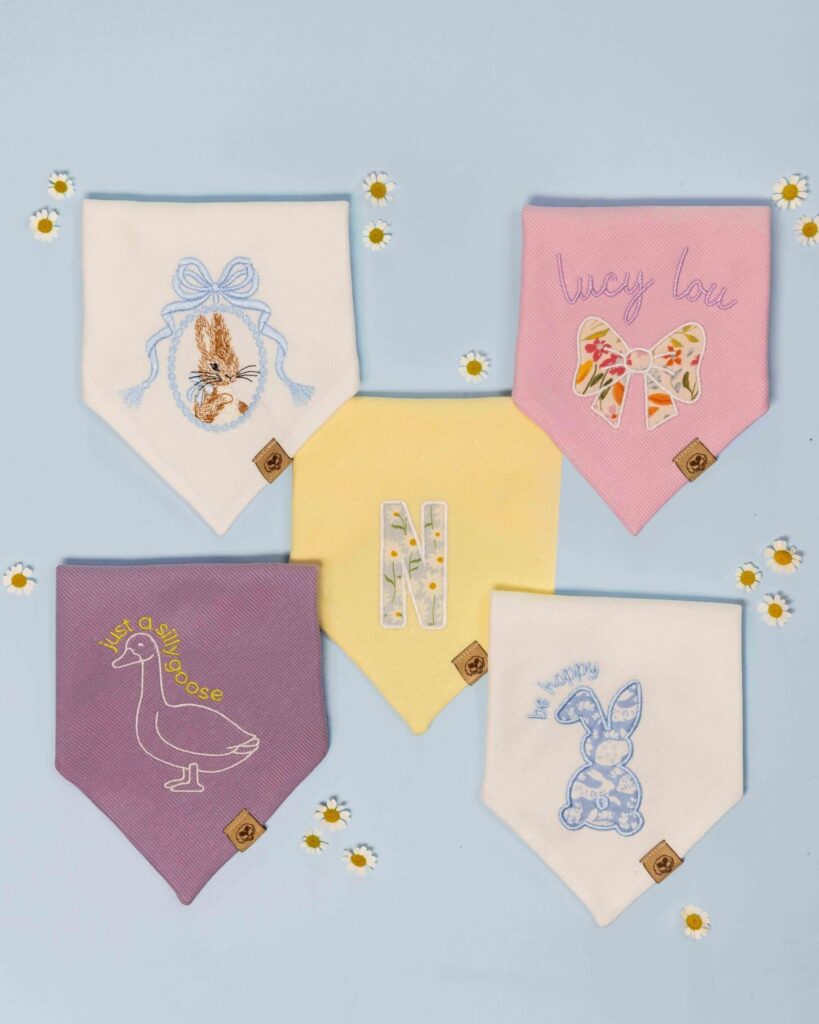
Fabric shifts. Blankets need to look cozy without looking sloppy. A linen shirt folded on a wooden surface needs to feel relaxed and aspirational at the same time. A bandana on a light blue backdrop has to show both the embroidery detail and the fabric quality and somehow also communicate the brand’s entire vibe in a single frame.
That’s a lot to ask of one image — and it’s exactly why hiring a specialist matters more than most brands realize before they’ve already made the wrong hire.
I’m Chelsea, a commercial brand photographer based in Southern California. I’ve spent years building a specialty in soft goods, textiles, and lifestyle product photography — working with brands like Jennifer Adams, MUJI, and WonderFold, along with a growing roster of accessory, apparel, home goods, and pet brands across the US.
Before I picked up a camera professionally, I worked on the brand side — first at an e-commerce boutique, then in editorial, then for a travel influencer with a massive audience — and I watched firsthand how images actually performed. Which ones converted. Which ones got saved. Which ones the art director reached for again and again.
That experience permanently changed how I shoot, and it’s a big part of what I bring to every project.
So if you’re a marketing director, brand manager, or art director trying to figure out who to hire for your next soft goods shoot — here’s what you should actually be looking for.
1. They Understand That Fabric Is the Hero (Even When It Isn’t the Product)
Soft goods photography is, at its core, about communicating feel through a still image. A customer can’t touch your product. They can’t run their fingers across the bamboo-cotton blend or feel how a blanket drapes over the arm of a couch. Your photographer’s job is to make them feel it anyway.
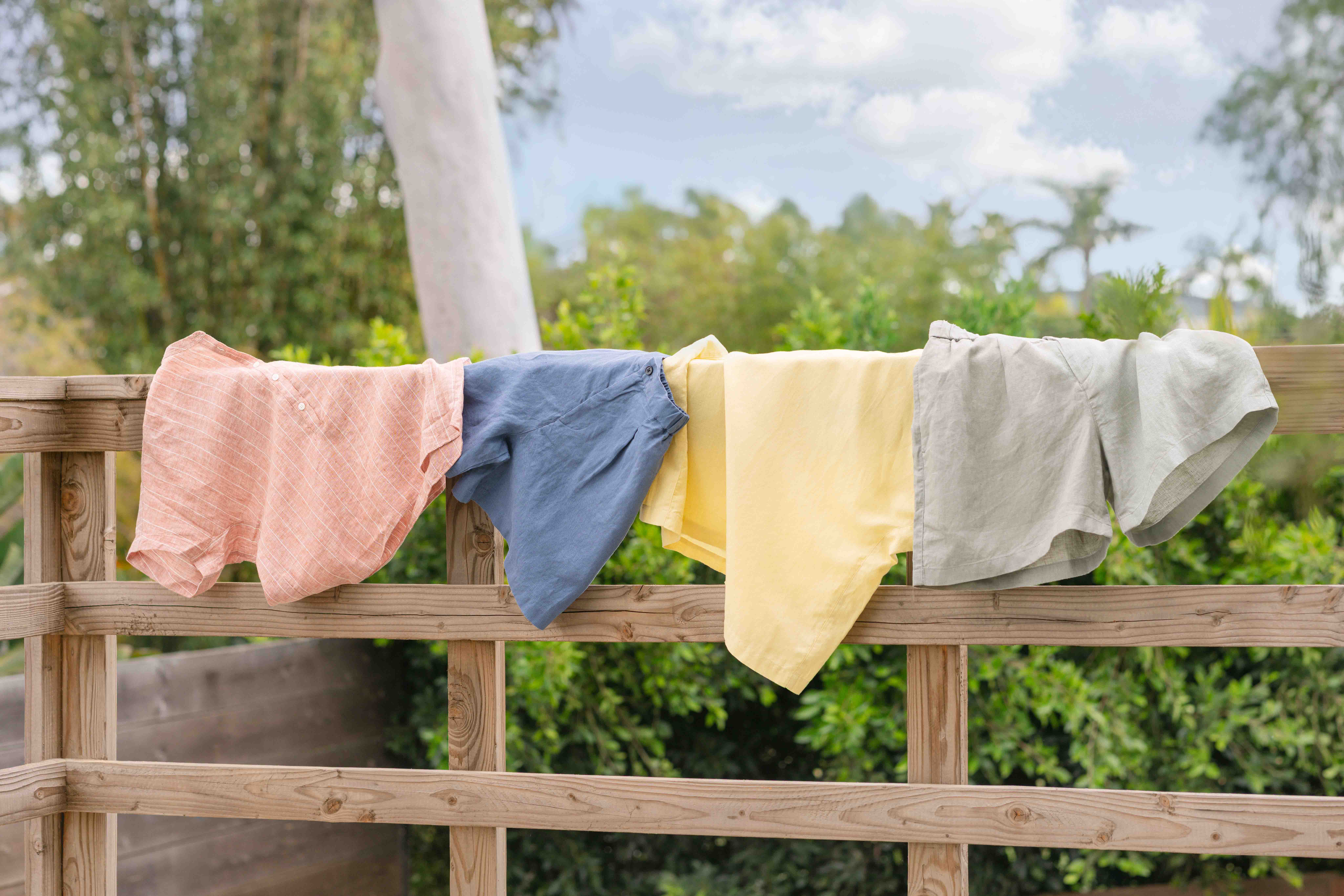
This requires a very specific visual literacy — understanding how different textiles behave under light, how to style a fold so it looks intentional rather than haphazard, and how to capture the subtle sheen of a sateen versus the matte softness of a brushed flannel.
These are not things you learn from shooting headshots or weddings. This is a niche skill, and a portfolio will tell you everything.
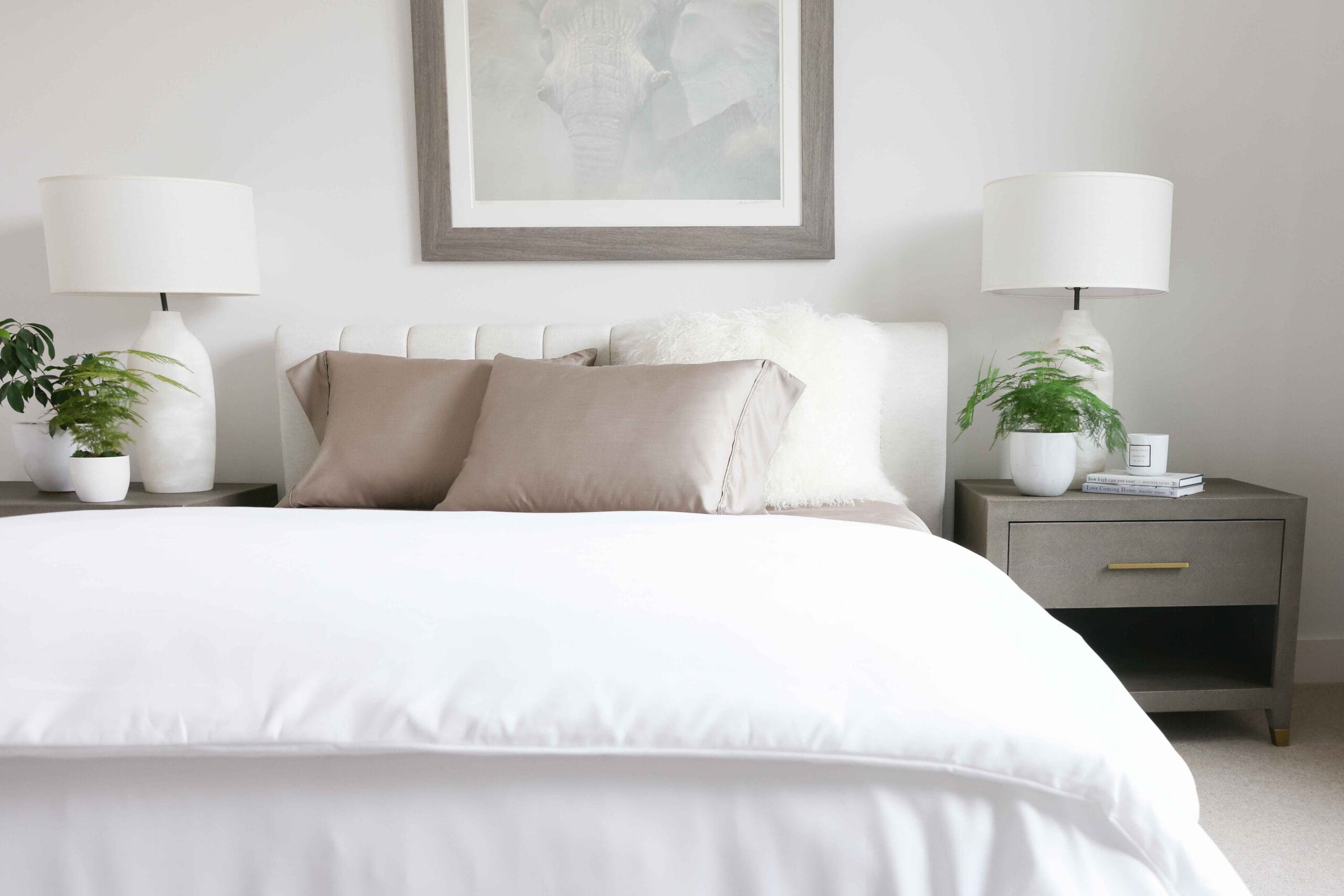
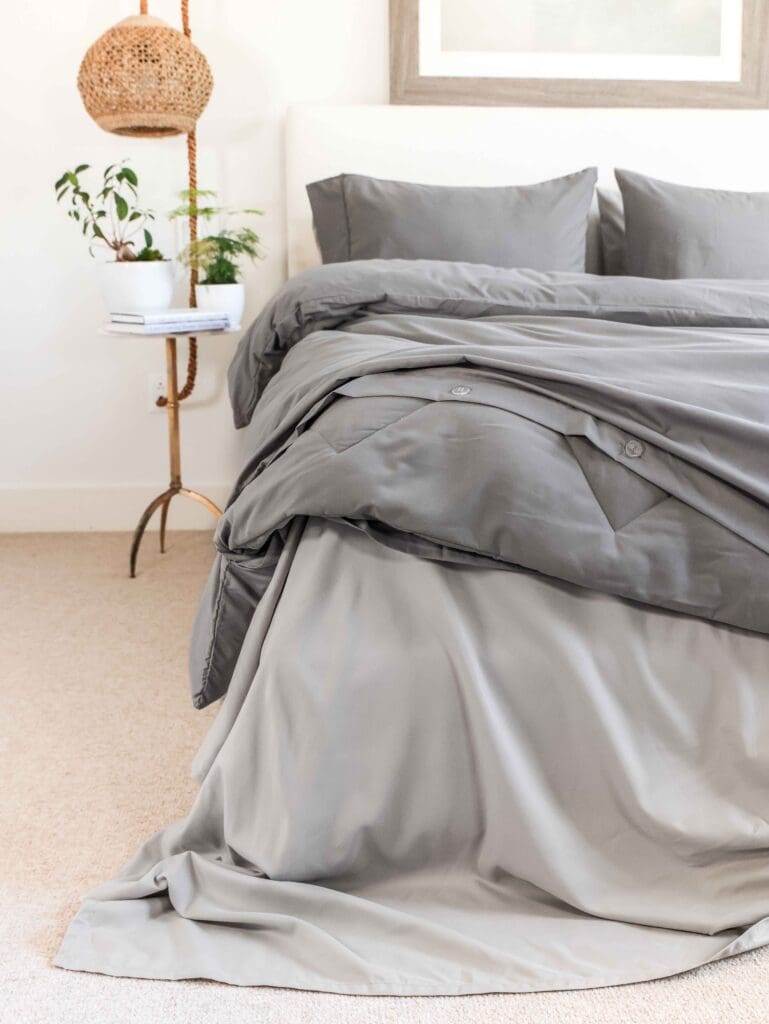
When I shot the bedding collections for Jennifer Adams, the challenge was never just “make the bed look nice.” It was: how do we show the weight of this comforter? How do we make someone feel the temperature difference between the cooling collection and the plush collection? How do you photograph white-on-white without losing dimension?
The answers live in lighting choices, in the precise angle of a drape, in whether you shoot from above or straight on, in whether you style the bed made or rumpled.
2. They Can Do Both: The Flat Lay AND the Lifestyle Shot
The best soft goods photographers don’t just specialize in one format. A strong campaign needs range.
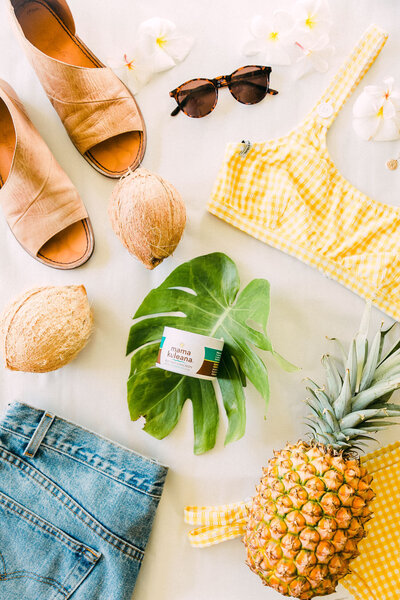
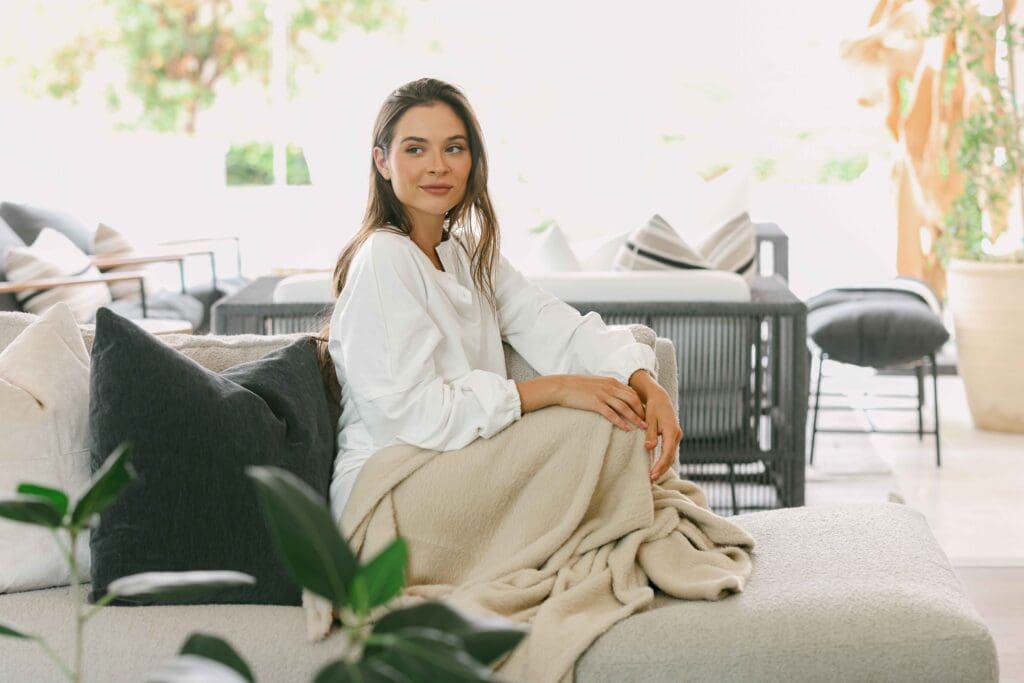
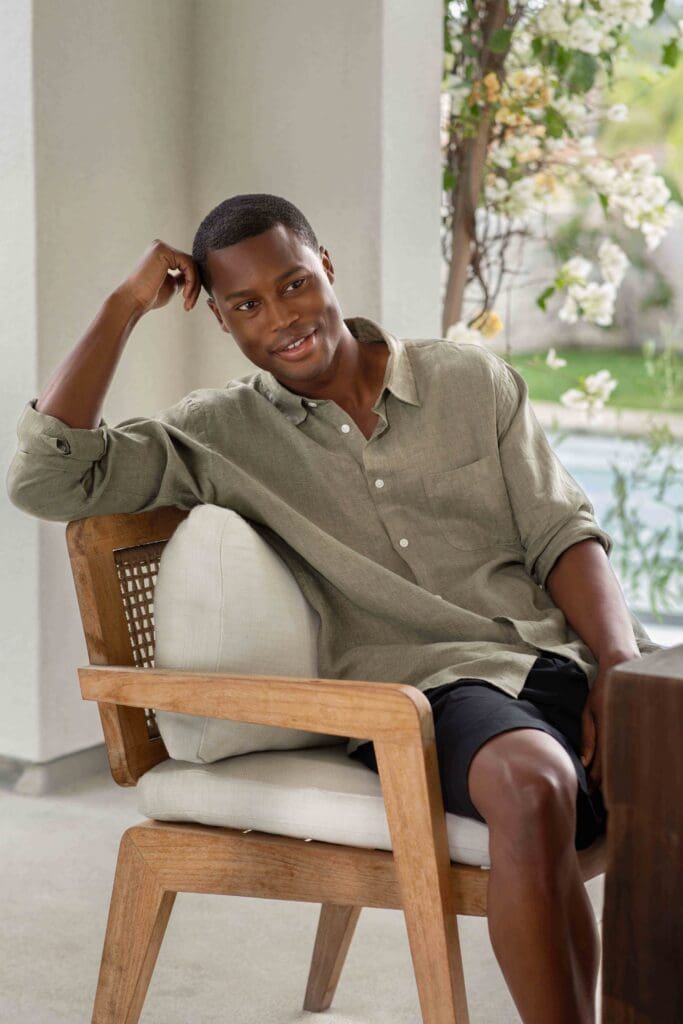
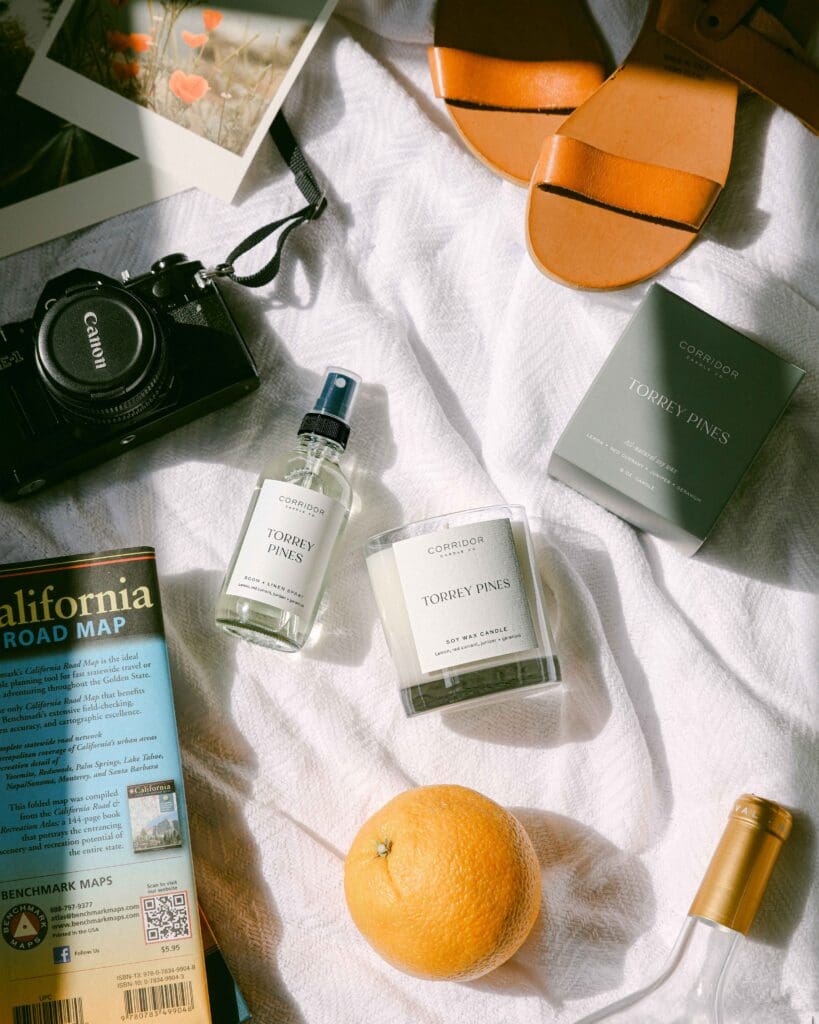
You need the clean, controlled studio flat lay that shows your product in full detail — prop-styled to reinforce the brand story, lit to make the texture pop, composed with room for copy overlays and ad formats. But you also need the lifestyle shot that shows the product living in the world — the blanket on the couch with the model reading, the linen shirt worn by a real person in golden hour light, the bandana styled on a flat surface with props that make the brand feel like a whole universe.
These are two completely different skill sets, and finding someone who does both well is genuinely rare.
I like to think of it as the “unicorn” offering — a photographer and prop stylist in one, which saves brands significant time, budget, and the coordination headache of managing multiple vendors.
The flat lay communicates product. The lifestyle shot communicates brand. You need both working together.
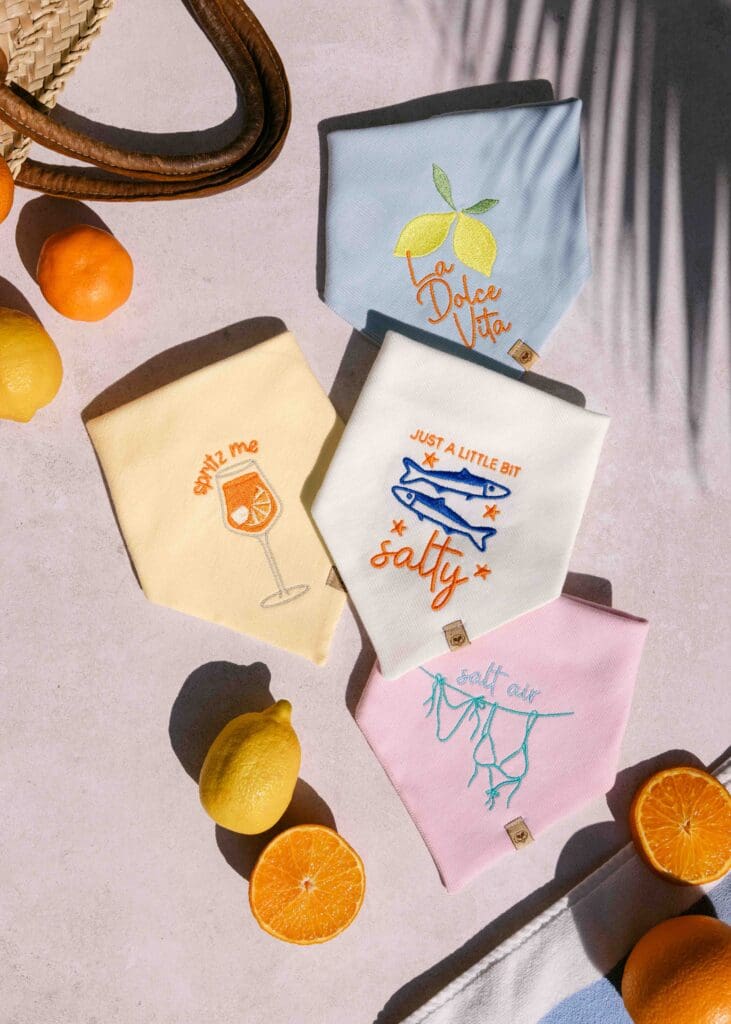
3. Their Styling Sensibility Is Doing Heavy Lifting
Here’s what most brands don’t realize until they’ve been burned: a technically competent photographer who doesn’t understand prop styling will give you perfectly exposed, perfectly in-focus images that are completely forgettable.
Because it’s not just about capturing the product — it’s about building a world around it that makes the customer want to live there.
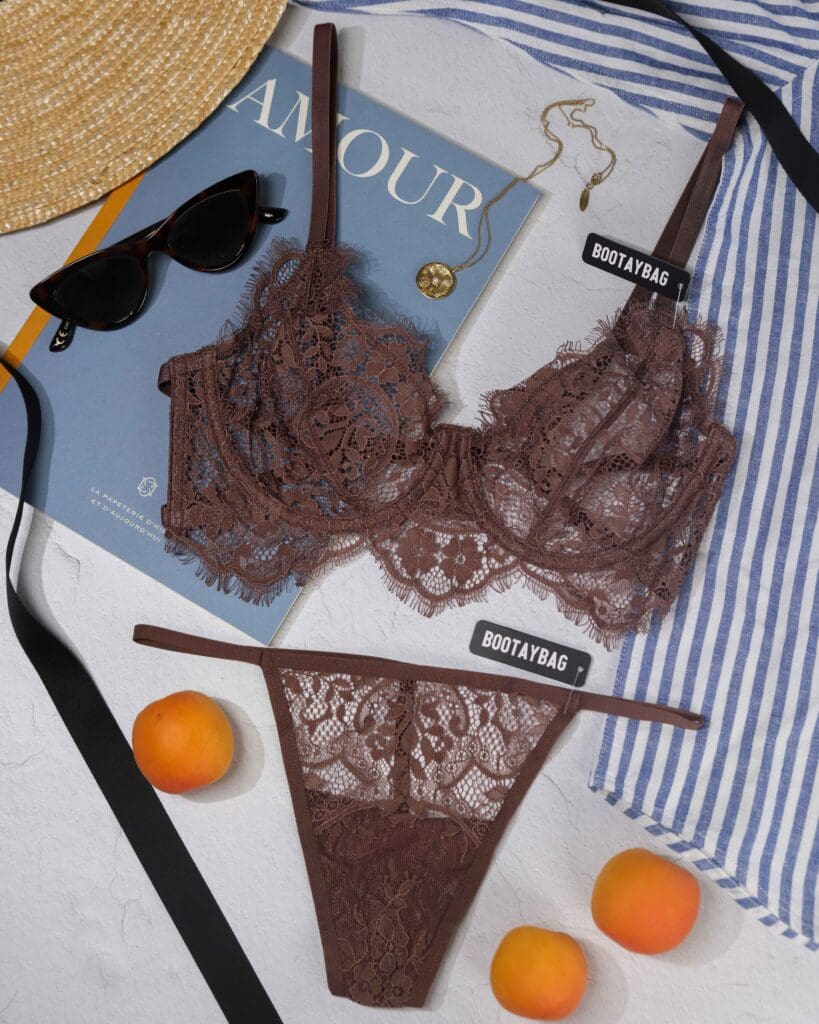
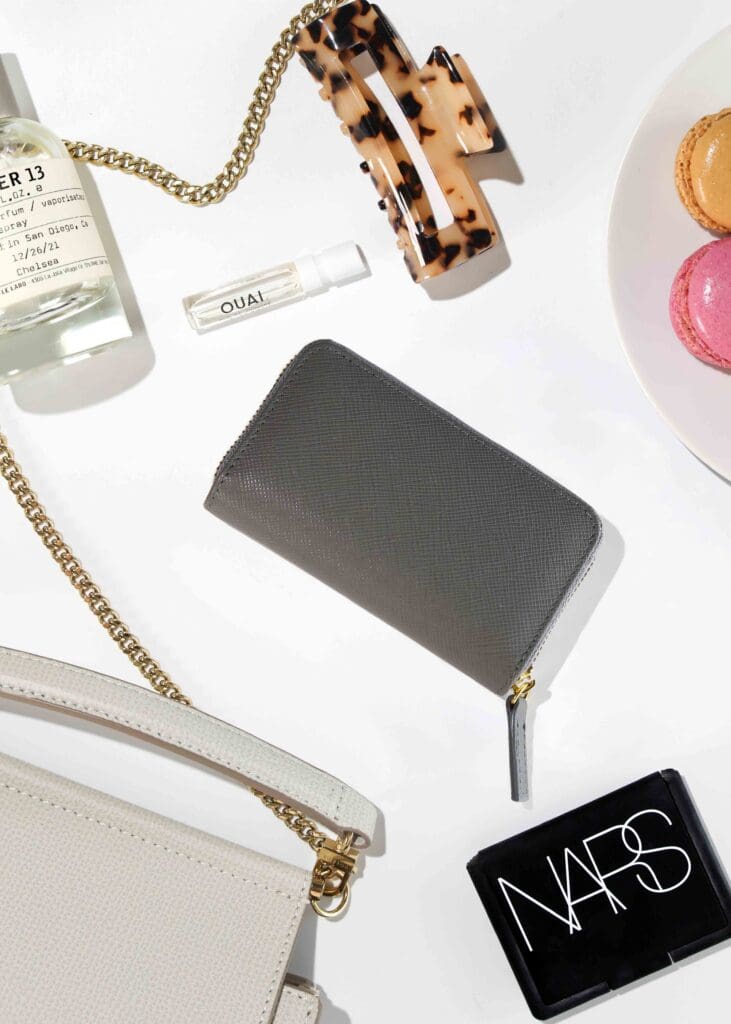
Prop selection, surface choice, color palette, the way secondary elements are placed to guide the eye without competing with the hero product — this is styling, and it is an art form.
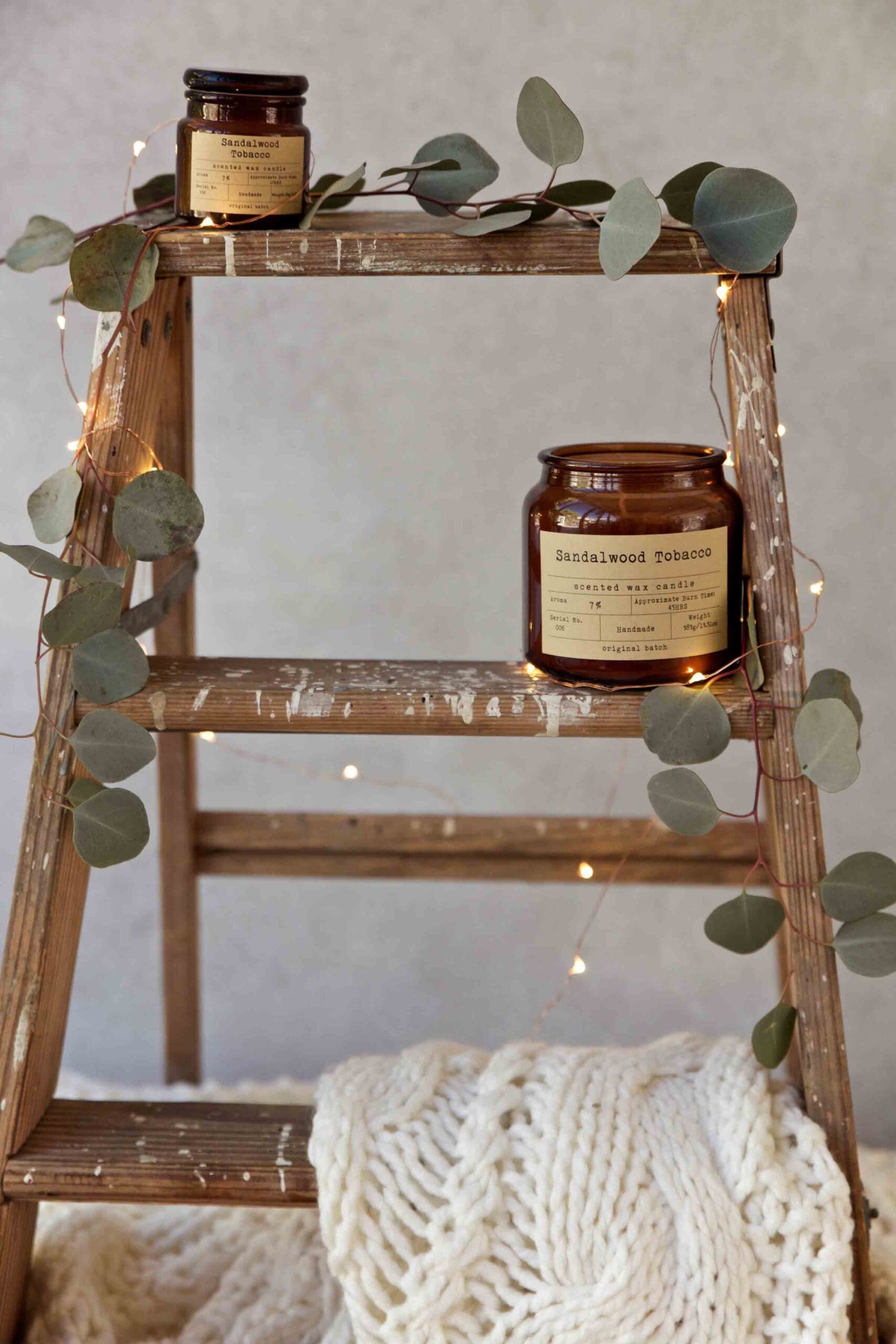
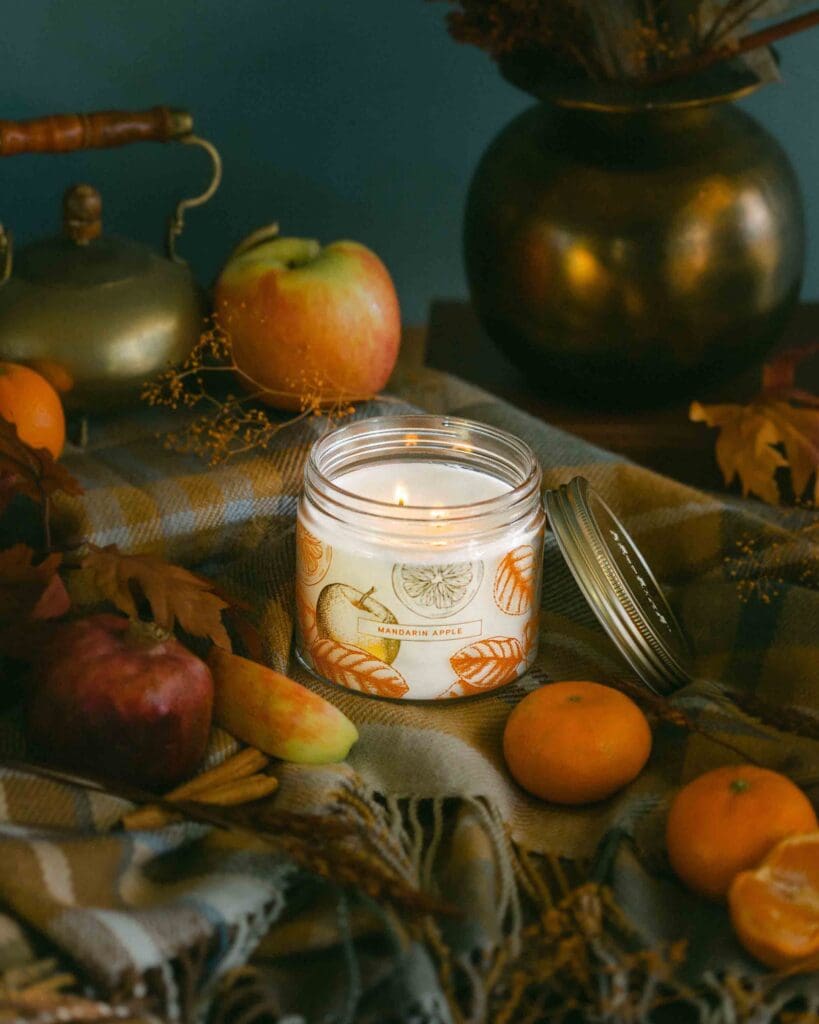
For soft goods especially, the props and surfaces you choose communicate so much. A linen candle on a textured woven blanket in a basket feels cozy and artisanal. The same candle on a stark white surface feels minimalist and modern. The product didn’t change. The story did.
When I work with brands on flat lays — whether it’s a lingerie subscription service, a line of botanical skincare, a stationery collection, or a set of leather wallets — the styling conversation happens before the shoot day, not on it. We talk about background colors, prop sourcing, the mood we’re going for, what competing brands are doing and how to look distinct from them.
That pre-production strategy is what separates good images from great ones.
4. They Know How to Photograph Texture — Like, Actually Know
This sounds obvious. It is not obvious.
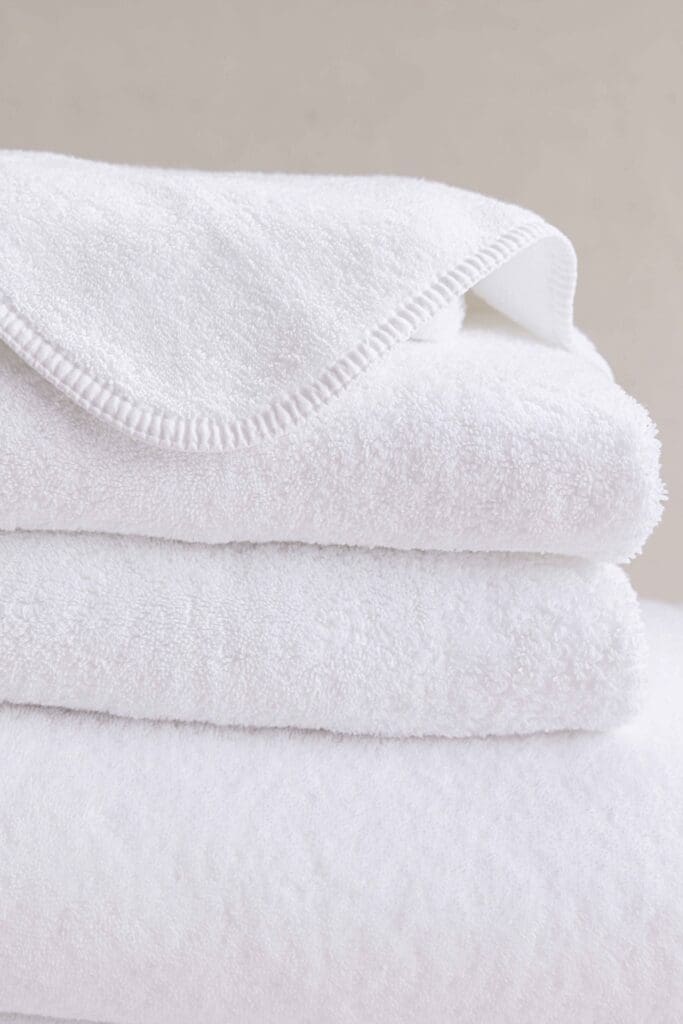
Photographing texture in soft goods requires a specific understanding of light direction and quality. Hard directional light from the side will rake across fabric and make texture feel dramatic and three-dimensional. Soft, diffused light will make a sateen sheet look smooth and luxurious.
The wrong light on the wrong textile will make a $200 cashmere throw look like it came from a discount bin — and the right light on a simple cotton bandana can make it look like a luxury accessory.
I approach every soft goods shoot by first asking: what is this product made of, and what quality do we want the customer to perceive? Bamboo sheets should feel cool and silky. A chunky knit blanket should feel warm and textured. A linen shirt should look breathable and lived-in without looking wrinkled and neglected.
These are lighting and styling decisions, and they’re made intentionally — not by accident.
5. They’ve Seen How Images Perform on the Brand Side
This is honestly my biggest differentiator, and it’s something I don’t think enough photographers talk about.
Before I became a full-time commercial photographer, I worked in e-commerce, then in editorial, then running content for a major travel influencer.
I wasn’t just taking pictures — I was watching how images were used, which formats worked for ads versus organic social versus email campaigns, which flat lay compositions left enough negative space for a text overlay to convert, and which lifestyle shots actually made people stop scrolling versus just look pretty in a grid.
That brand-side experience permanently changed how I shoot. I think about the end use of every image before I ever set up a frame.
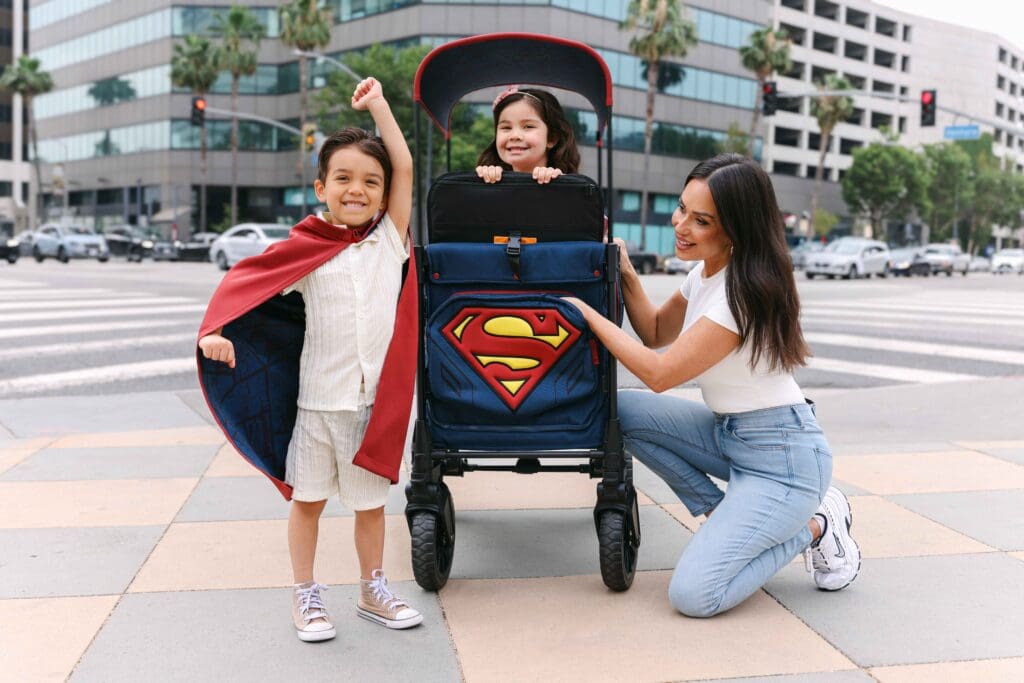
A flat lay for an email header needs different proportions and composition than one for a square Instagram post. A hero image for a landing page needs breathing room. An ad image needs a clear visual hierarchy that works even in a small thumbnail. A lifestyle shot for Pinterest needs to feel aspirational in a way that’s still approachable.
When an art director or marketing team hires me, they’re not just getting someone to show up and press a shutter. They’re getting someone who has sat on their side of the table and understands what they’re trying to accomplish.

6. They Can Scale to Match Your Project
Not every brand needs the same production level — and a good commercial photographer should be honest with you about what your project actually requires.
Some shoots are beautifully simple: a clean flat lay setup, a few hero products, a well-chosen selection of props, and a half-day of shooting time. Others need more: a location rental that sets the right scene, one or two models, a lighting setup that goes beyond available light, a prop stylist assistant, specific wardrobe sourcing.
The right photographer can do both — and will help you figure out which your project calls for without upselling you into a production you don’t need or underselling you into images that won’t perform.
I work with brands at a wide range of investment levels, from focused product campaigns to full-scale lifestyle productions. What stays consistent regardless of budget: the strategic thinking, the styling intentionality, and the understanding of how those images are going to live in the world.
7. Their Portfolio Shows Range Across Soft Good Categories
Bedding is not the same as apparel. Pet accessories are not the same as lingerie. A leather wallet requires entirely different styling instincts than a chunky knit throw. If you’re hiring a soft goods photographer and their entire portfolio is one category, ask questions before committing.
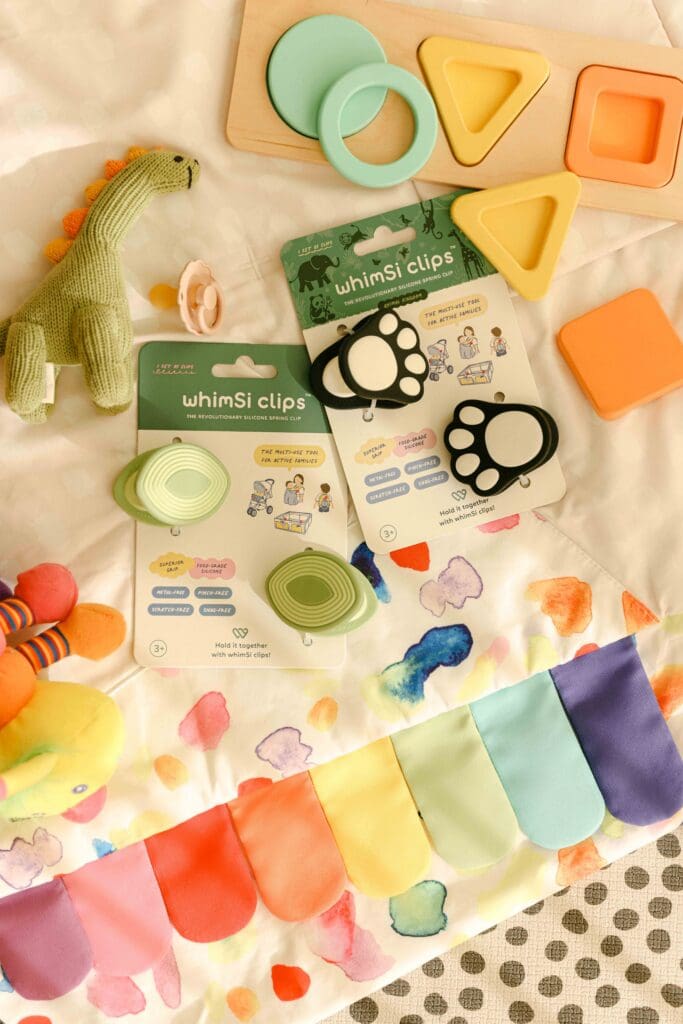
The soft goods category is broad — it spans home textiles, apparel, accessories, bags, pet goods, baby products, stationery, candles, skincare, and more — and the most versatile photographers have shot across multiple categories because the underlying principles (texture, light, styling, composition) transfer.
The interpretation changes. The skill set is the same.
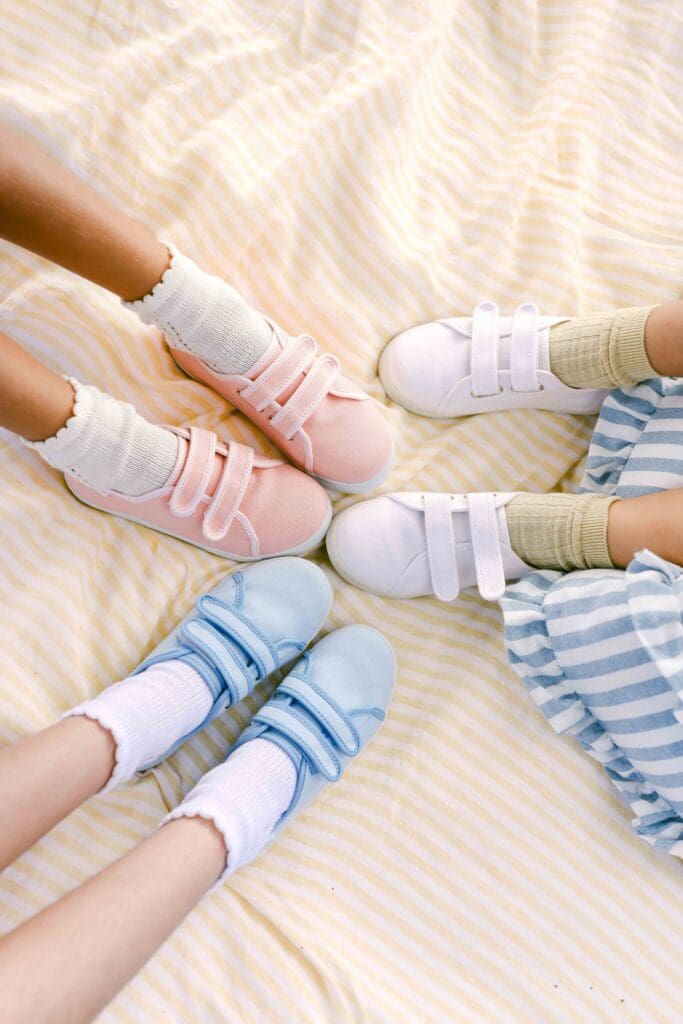
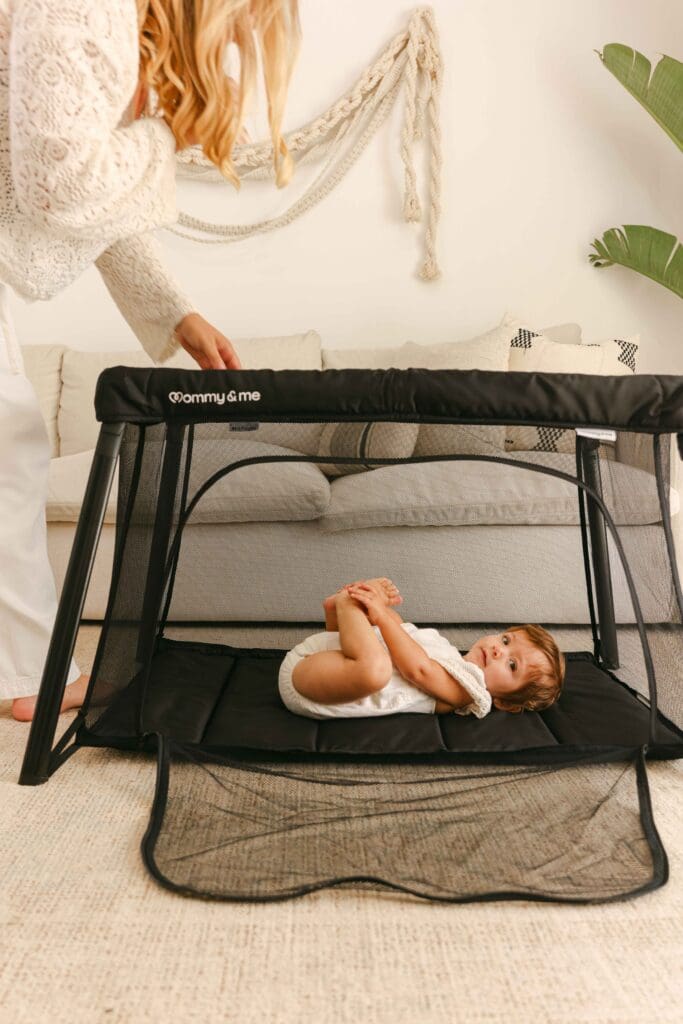
My own portfolio spans luxury bedding, linen apparel, lingerie, pet bandanas and accessories, leather goods, candles and home fragrance, skincare, baby products, and lifestyle imagery across a range of locations from hotel rooms to backyard poolsides to golden-hour truck beds at the San Diego lagoon.
So — What Should You Look for When Hiring a Soft Goods Photographer?
Here’s the short version, for the art directors who are skimming this on their lunch break:
Look for a photographer who:
- Has a portfolio that specifically shows soft goods, textiles, and fabric-forward products
- Demonstrates range across flat lay, lifestyle, and close-up/detail shots
- Has a clear styling sensibility — not just in what they shoot, but in how they build the world around the product
- Understands light and texture in a way that’s specific to fabric and soft materials
- Can articulate the why behind their creative choices, not just show you pretty pictures
- Has some understanding of how images are actually used — in ads, on web, in email, on social
- Can scale production up or down based on what your project genuinely needs
If you’re a brand or marketing team looking to create content that converts, connects, and actually reflects the quality of what you’ve built — I’d love to hear about your project.
Get in touch at chelsealoren.co
I’m based in San Diego and work with brands throughout Southern California, Los Angeles, and nationally. Whether you’re planning a seasonal campaign, a product launch, or an evergreen content library, let’s talk about what your soft goods deserve.
Chelsea Loren is a commercial brand photographer and prop stylist specializing in soft goods, textiles, home, lifestyle, and accessory photography. Based in San Diego, CA. Available for projects throughout Southern California, Los Angeles, and nationwide.
Previous Blog Post
Next Blog Post


