What It Actually Takes to Shoot a Fashion Lookbook That Works Across Every Channel

A behind-the-scenes look at how I approach commercial fashion photography — from creative concept to final deliverable — and why the brands that invest in it right don’t have to reshoot.
There’s a version of a lookbook shoot where everyone shows up, takes pretty pictures, and hopes for the best.
And then there’s the version where a brand flies from New York to California because they need someone who can run the whole thing — the concept, the team, the locations, the light, the timeline, and the final images that end up on their homepage, in their paid ads, across their email campaigns, and in their wholesale decks.
I’ve been fortunate enough to work on both kinds. The difference isn’t always budget. It’s intention. And the latter is the one that actually gets you results, reflects your brand deck, and is strategic.
This past season, I had the opportunity to partner with a hemp and linen brand on their spring/summer lookbook — a full-scale production that I creative directed, photographed, and produced from the ground up.
The images aren’t live yet, but the process clearly highlighted what separates imagery that just looks good from imagery that actually works for a business.
So I’m sharing it here — because the principles apply regardless of what your brand makes or sells.
It Starts Before Anyone Picks Up a Camera
The first conversation I have with any brand isn’t about shot lists.
It’s about feeling.
What does it feel like to live inside this brand? What does the customer feel when they put this clothing on? Where are they? What’s the light like?
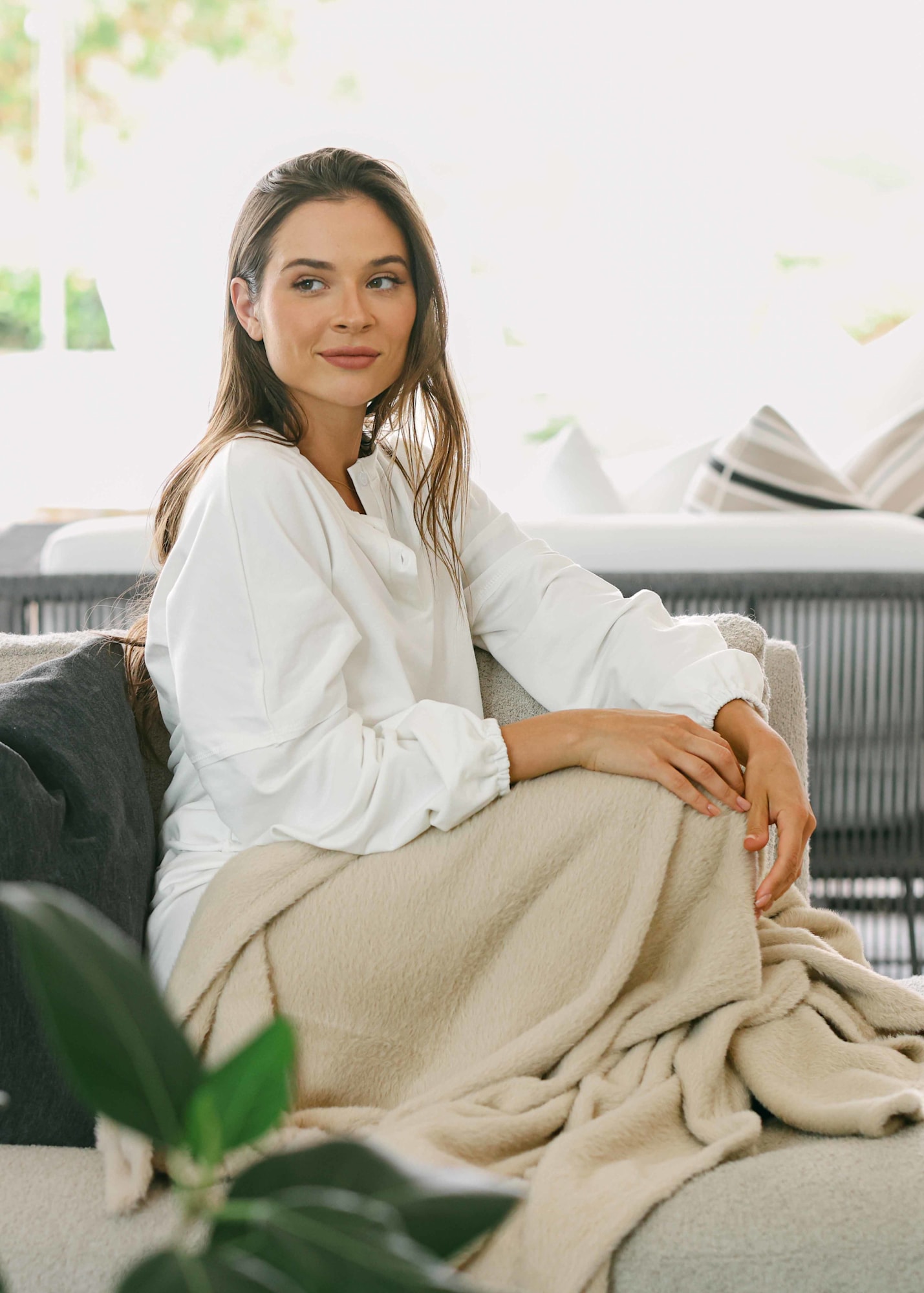
For a hemp and linen collection rooted in slow fashion and natural materials, the answer came quickly: quiet, elevated, unhurried. Nothing stiff. Nothing that looked like it was trying too hard.
That one word — unhurried — ended up driving almost every decision we made: the location choices, the casting, the styling. Even the order we scheduled shots throughout the day, building around light rather than convenience.
When a brand has a clear feeling, the shoot practically directs itself (I mean, there still is *a lot* of work to make it look effortless).
When it doesn’t, you end up with a collection of beautiful images that don’t quite belong together. That’s a very expensive problem to solve in post.
The ways to solve this: symbiosis.
Figure out who the target market/customer is. Where do they hang out? What are their goals? Where is their happy place? What do they align with?
All of these things matter when crafting a cohesive brand campaign.
Location Is Doing More Work Than You Think
One of the things I always say to marketing directors and brand owners: your location isn’t just a backdrop. It’s a character in the story.
For this project, I brought location suggestions to the table early — visuals the client could react to, environments that already felt like the brand before a single item of clothing was placed in them.
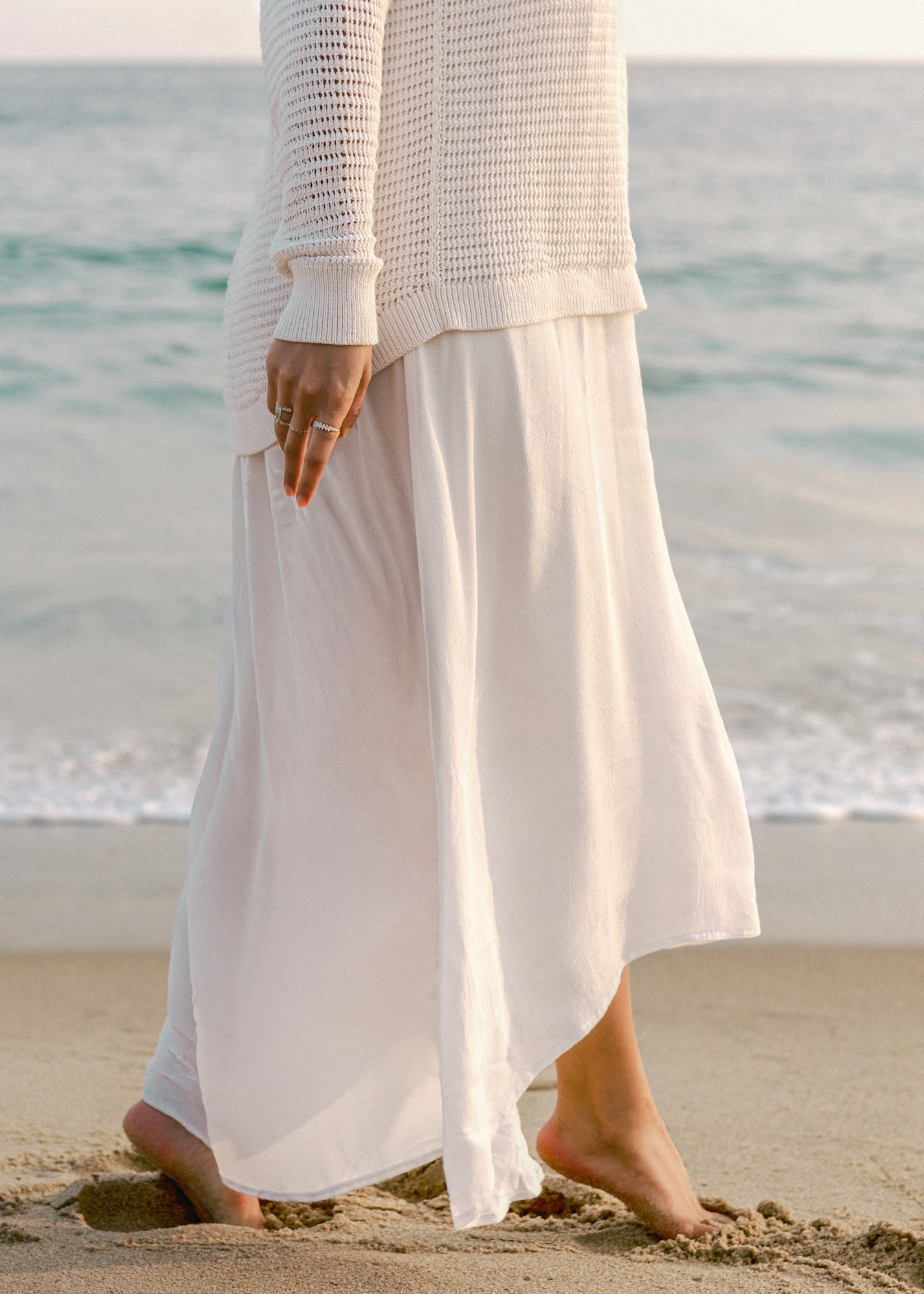
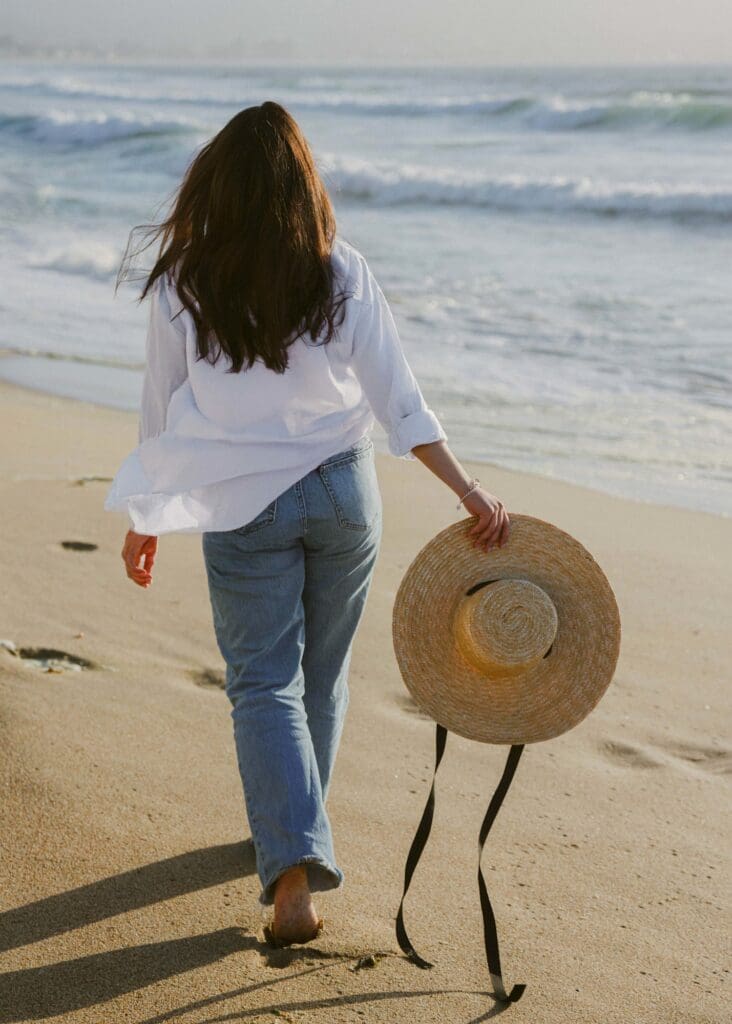
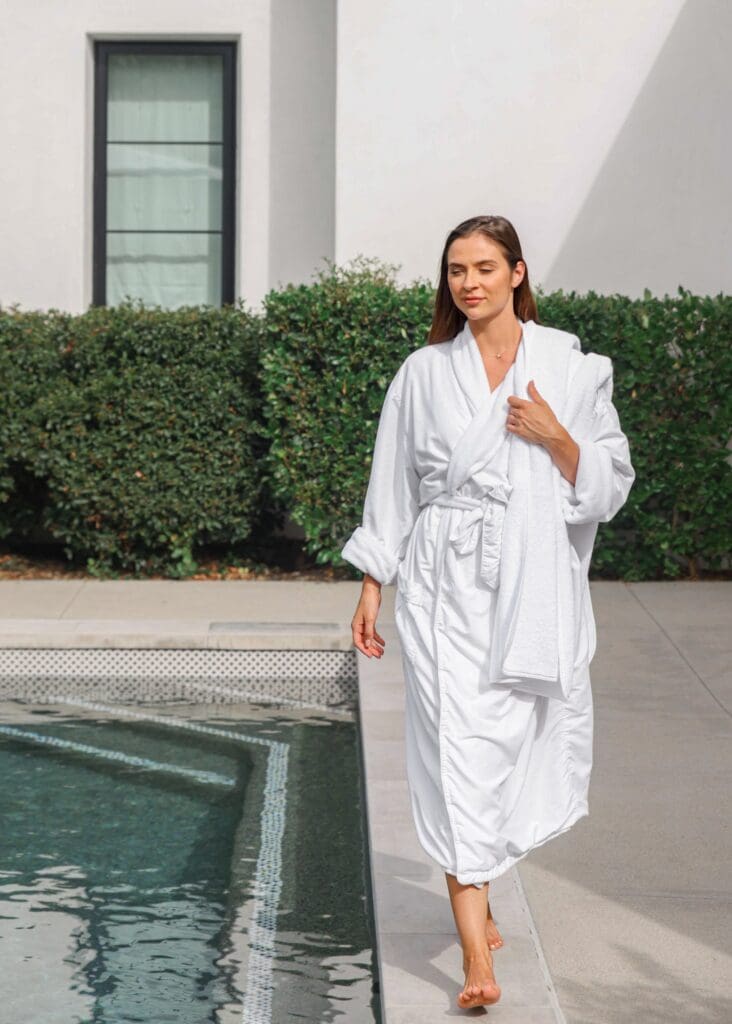
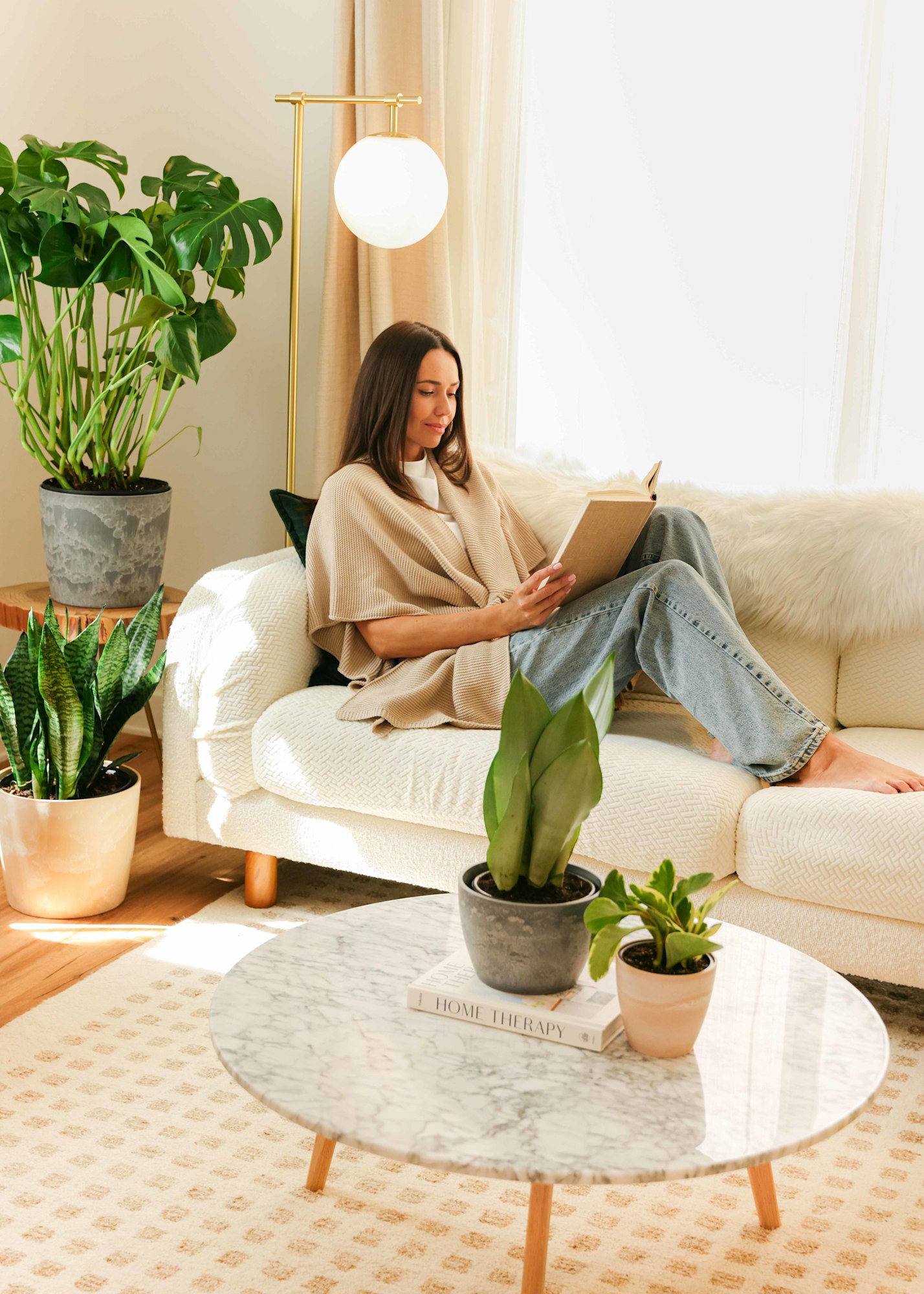
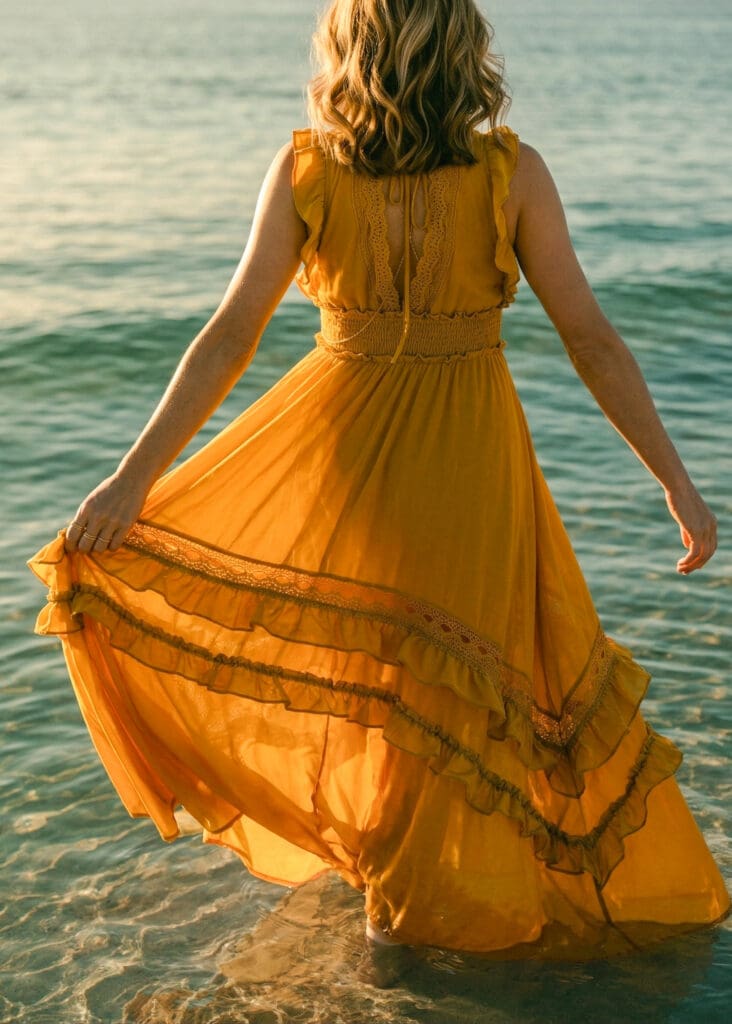
Coastal settings for movement and breath. Minimal architectural spaces for structure and contrast. Soft interiors for intimacy and texture.
Every location I proposed answered one question: where does this clothing actually live?
Not where does it look good — it’ll look good plenty of places. But where does it feel true? That specificity is what gives a lookbook a sense of world.
And when your imagery has a world, it translates across every channel because it has a consistent visual language that your team can keep building from.
Casting: The Fastest Way to Get It Right (or Wrong)
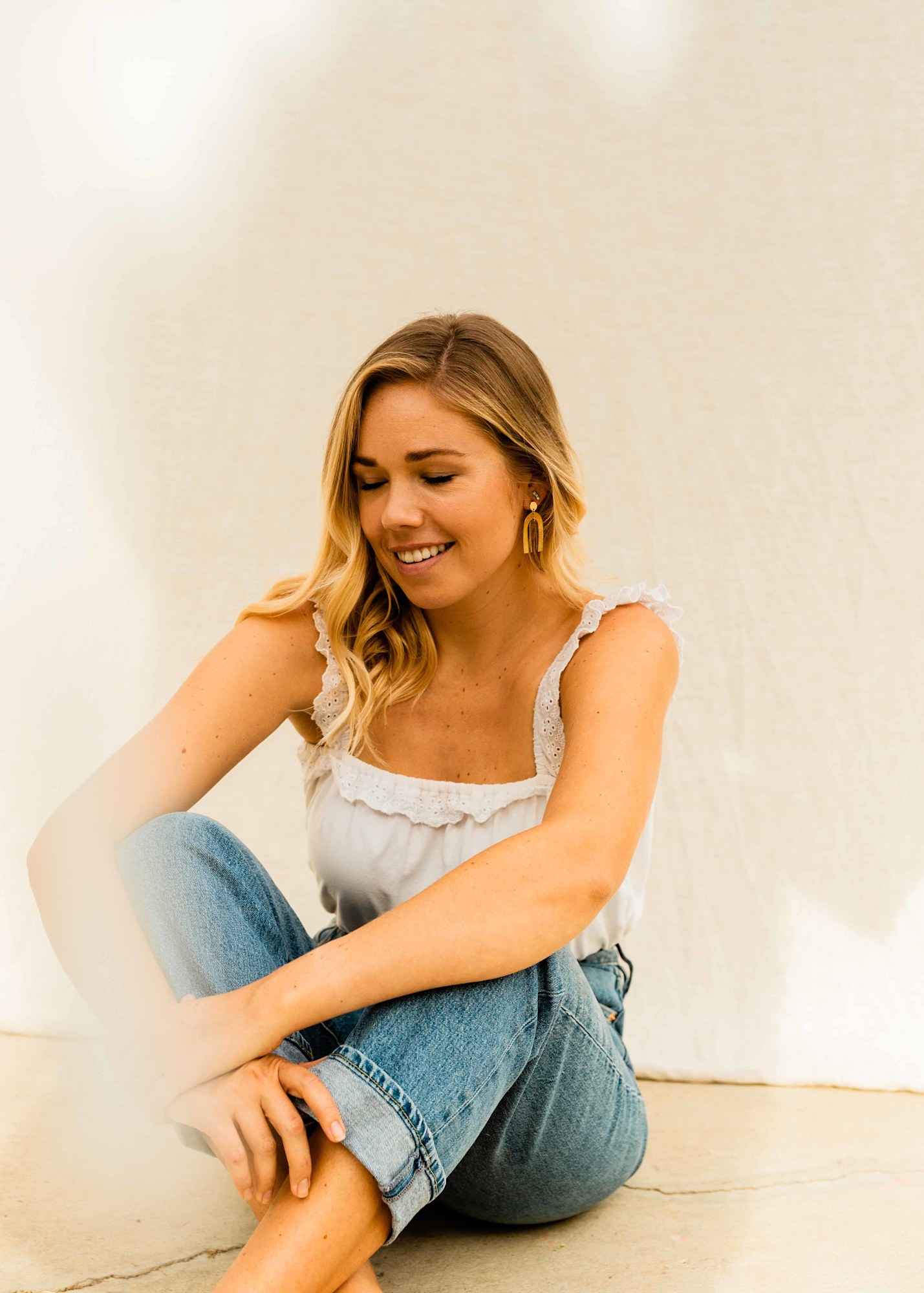
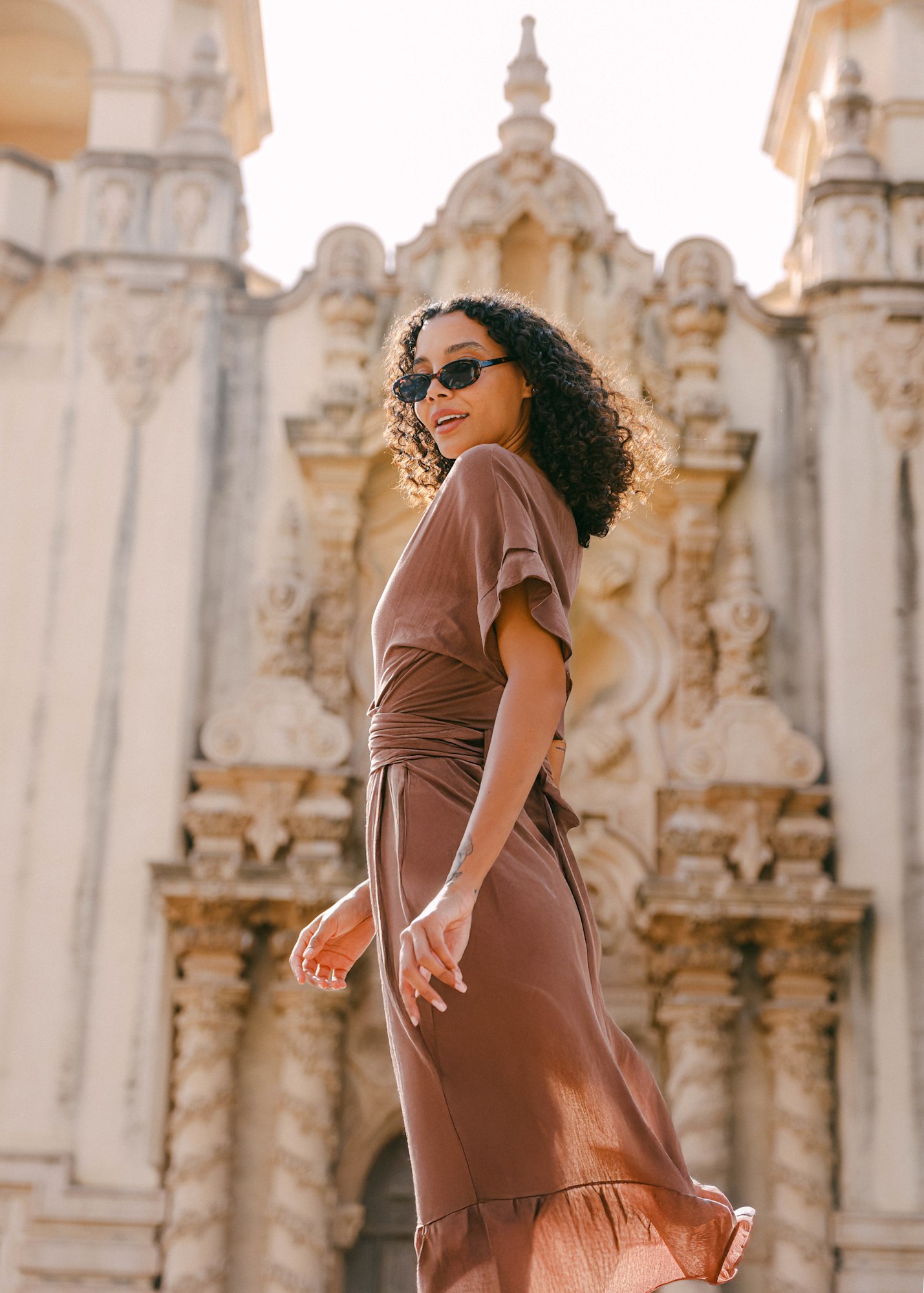
You can feel when casting is off even when you can’t articulate why. There’s a specific kind of tension that enters the frame when someone doesn’t fully inhabit the clothing they’re wearing — a self-consciousness that no amount of direction can edit out.
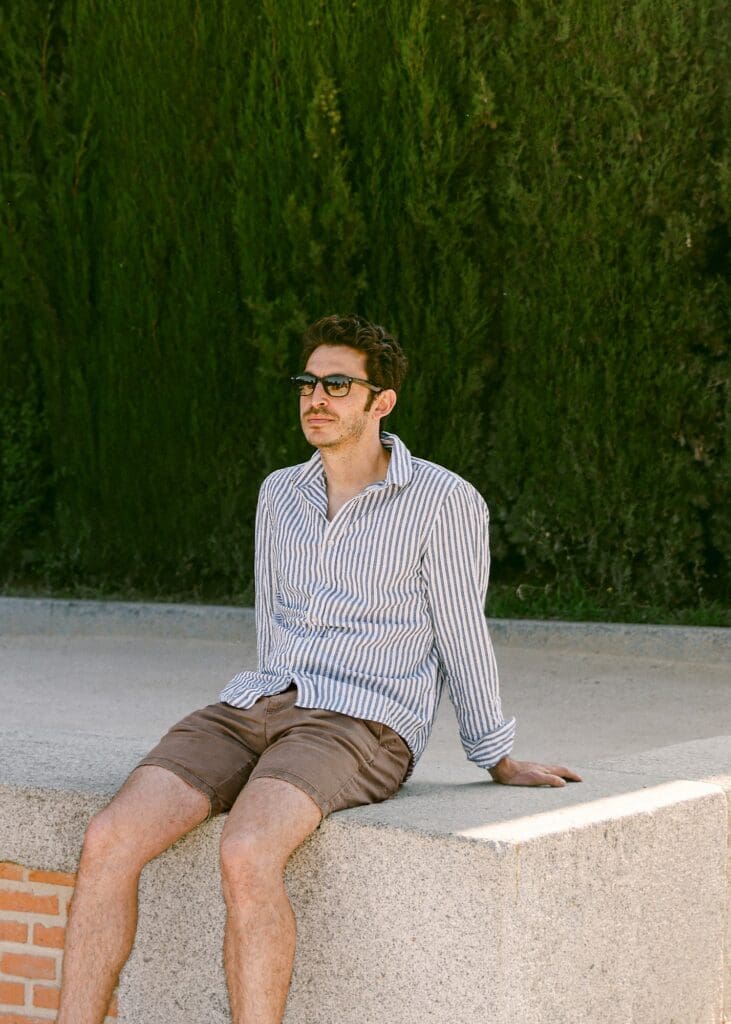
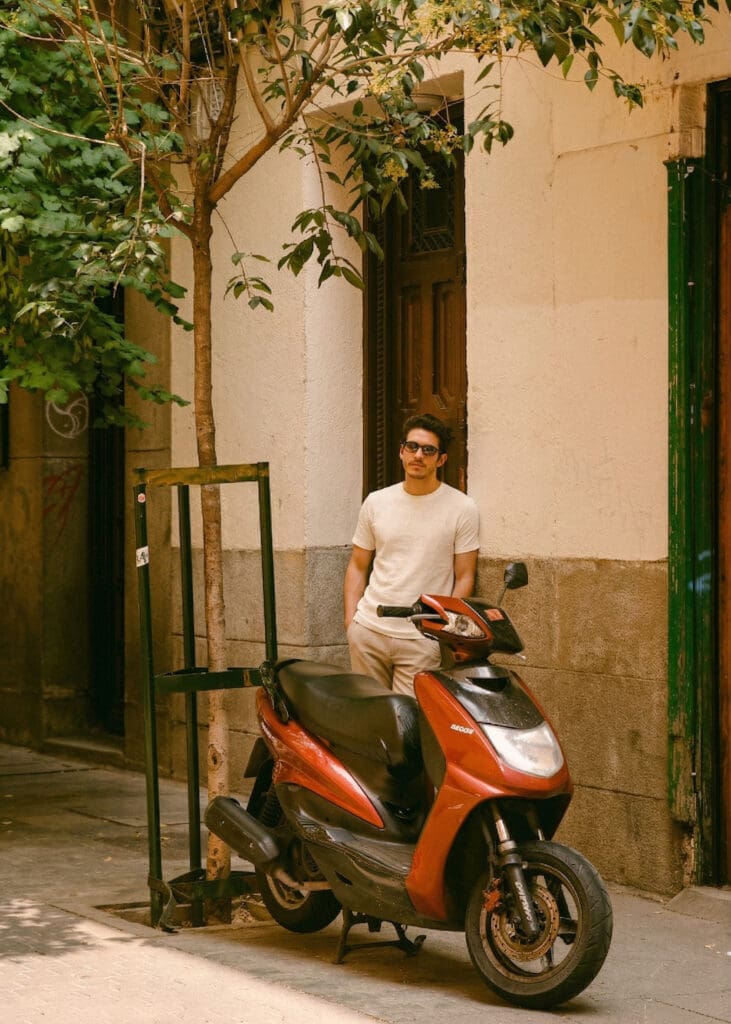
For elevated fashion brands, I’m not looking for high-fashion distance. I’m looking for approachable refinement. Models who feel believable. Who can move through a space without constant prompting. Whose expressions read as genuine rather than performed.
The goal is aspirational without being untouchable. That’s a narrow target, and casting is how you hit it.
Notice how differently those two frames above read — one relaxed and grounded, one dynamic and architectural — and yet both feel completely natural.
That range is intentional, and it starts with who you put in front of the camera.
Movement Is the Direction
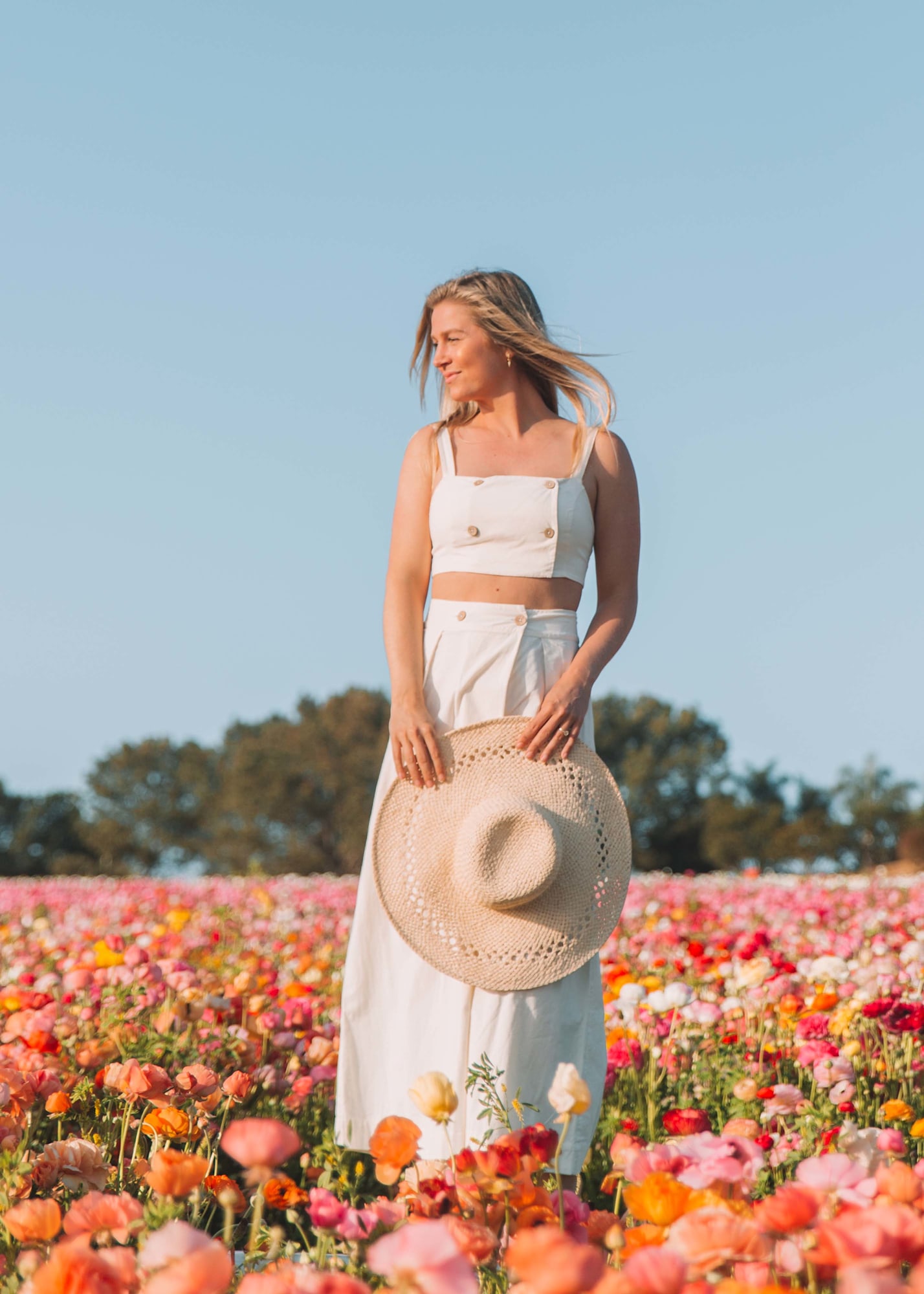
If there’s one thing I say more than anything else on a lookbook set, it’s this: don’t hold the pose — move through it.
Walking, adjusting, sitting down, reaching, glancing away. The in-between moments are where the image comes alive.
It’s also, not coincidentally, where the clothing reveals itself — how it drapes, how the fabric breathes, what it looks like when a real person is actually wearing it.
Regardless of what your brand makes, the selling proposition of any fashion lookbook is ultimately how this feels to wear.
That’s what the imagery needs to communicate. Not just the silhouette. Not just the color. The experience of it. That only happens through movement, and movement only happens through direction.

The Detail Shots Are Half the Story
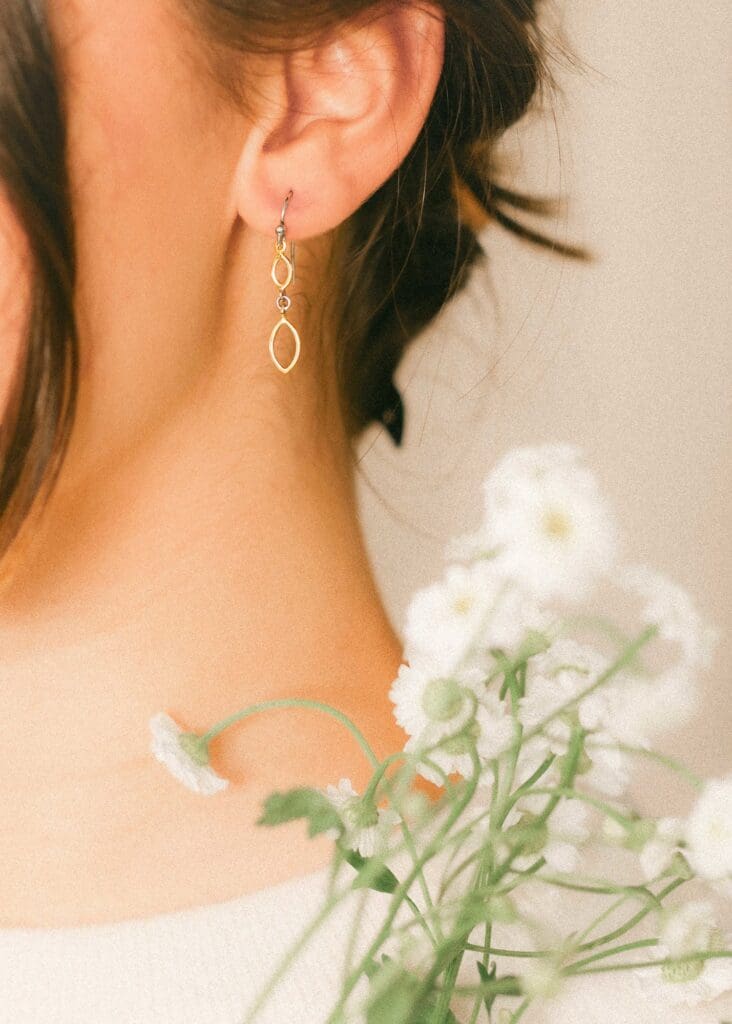
Wide establishing shots and full-body fashion frames get a lot of attention in the planning phase. But some of the most useful images from any fashion shoot are the detail shots — and they’re often the ones that get squeezed or skipped when a timeline gets tight.
Texture, hardware, fabric weight, the way a hem falls — none of that reads in a campaign shot the way it does in a detail frame.
Those close crops do a very different kind of work on a product page than a lifestyle image does, and they’re the assets your team will quietly reach for more than almost anything else.
I plan for detail shots the same way I plan for hero shots — with intention, with specific framing in mind, with an eye toward where they’ll live on the site.
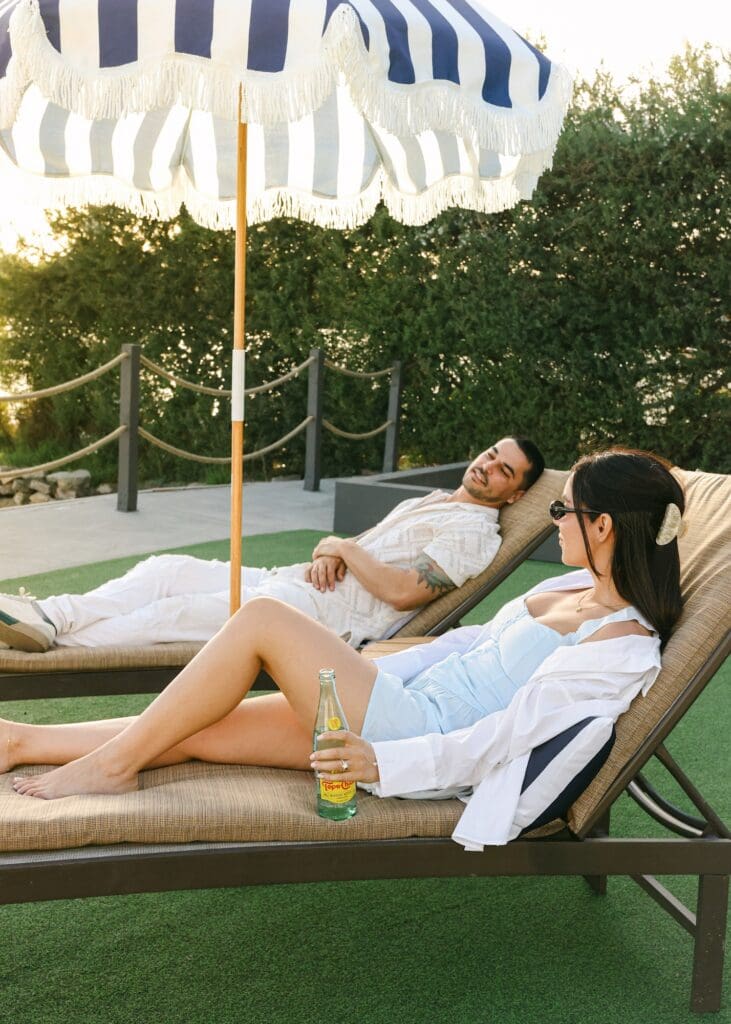
A fabric close-up becomes a story for organic social. A hand holding a glass in golden light becomes a lifestyle asset your email designer will use for two seasons running.
These are assets you can continually pull from.
Full Production Means Someone Else Doesn’t Have to Figure It Out
Here’s what I’ve found working with brands at this level: the thing they’re really paying for isn’t just great photography. It’s not having to manage a shoot and knowing it will turn out well.
When I take on a project as both photographer and creative director, I’m also functioning as the producer.
I build the timeline. I scout locations. I hire and brief the team — agency models, stylist, hair and makeup, production assistant. I coordinate catering. I figure out the shot order based on where the light will be at 9am versus 2pm versus golden hour.
I work directly with the brand’s internal creative team to translate their brief into something executable on the day.
By the time we get to shoot day, there are no open questions.
The team is aligned, the locations are locked, the timeline is built around efficiency and light, and everyone on set knows their role. My job in the hours we’re actually shooting is to direct — not to problem-solve logistics that should have been handled weeks ago.
That’s the version of this that produces imagery strong enough to license globally. That’s the version that means you don’t have to reshoot.
Why the Imagery Has to Work Everywhere
The most practical question I ask myself when planning any lookbook: where is this image going to live?
Not just the hero shot. Every image.
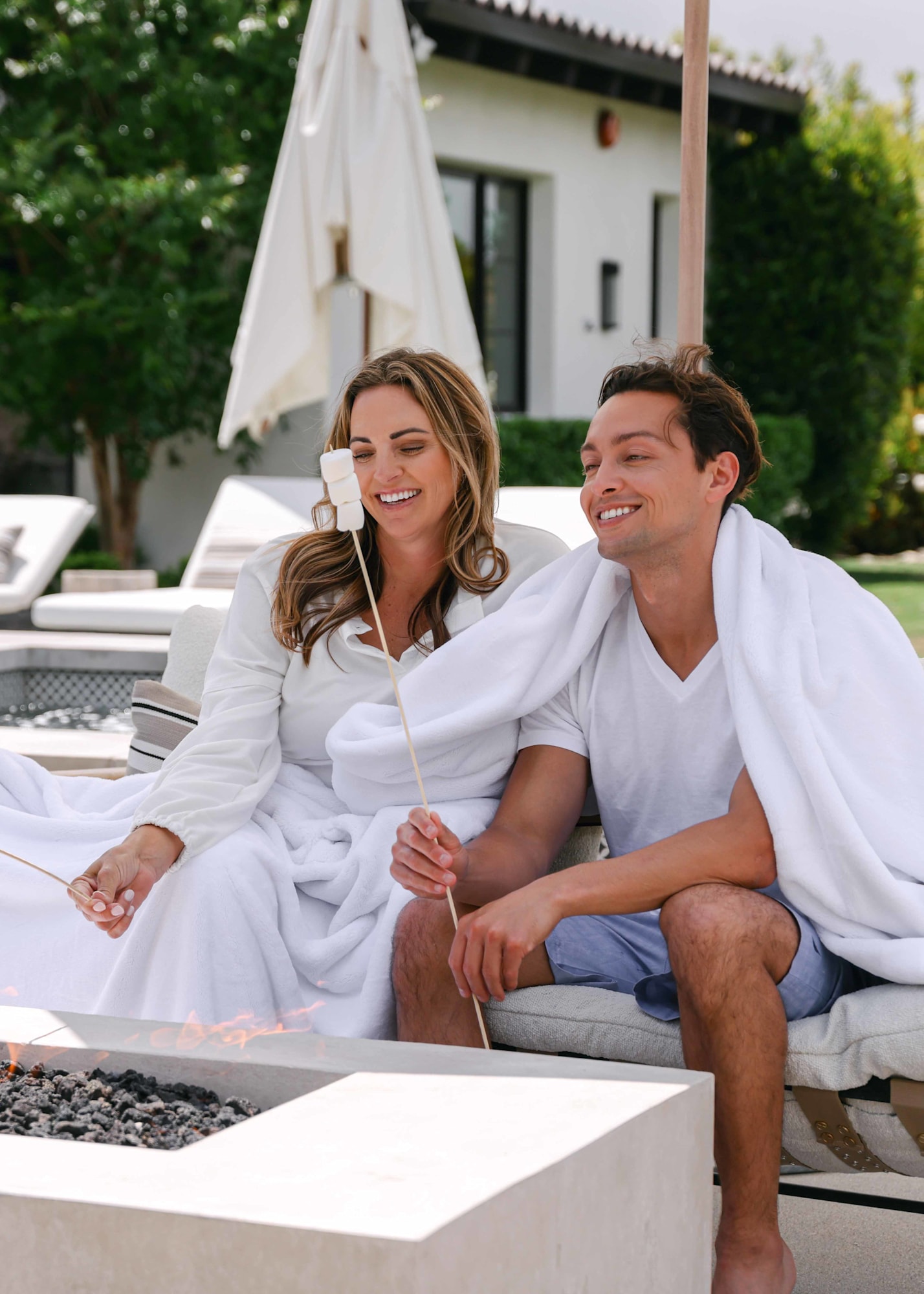
A well-produced lookbook should generate assets for your homepage banner, your product pages, your paid social, your email campaigns, your retail environments, and your wholesale presentations — without feeling like the same three photos endlessly recycled. That requires intentional variety: wide establishing shots, mid-length lifestyle frames, detail crops, movement captures, interior moments.
When you have that variety — and when it’s all shooting in the same visual language — your marketing team has real creative infrastructure to work from. Not just content. Infrastructure.
That’s the difference between a shoot day and a campaign.
Ready to Plan Yours?
If you’re a brand heading into a new season and you want imagery that actually carries the weight of your marketing — across every platform, every format, every use case — I’d love to talk about what that could look like for you.
I’m California-based and work with brands nationally and internationally. You can reach me directly through the inquiry form linked below.
Chelsea Loren is a commercial brand photographer, creative director, and production partner based in California. She works with fashion, lifestyle, and consumer brands on full-scale lookbook campaigns and seasonal content productions. Inquire here.

